7 months ago
3 minutes Read
Goonsheela University – Ancient Centre for Women’s Education A Pioneer in Co-Education
A Pioneer in Co-Education
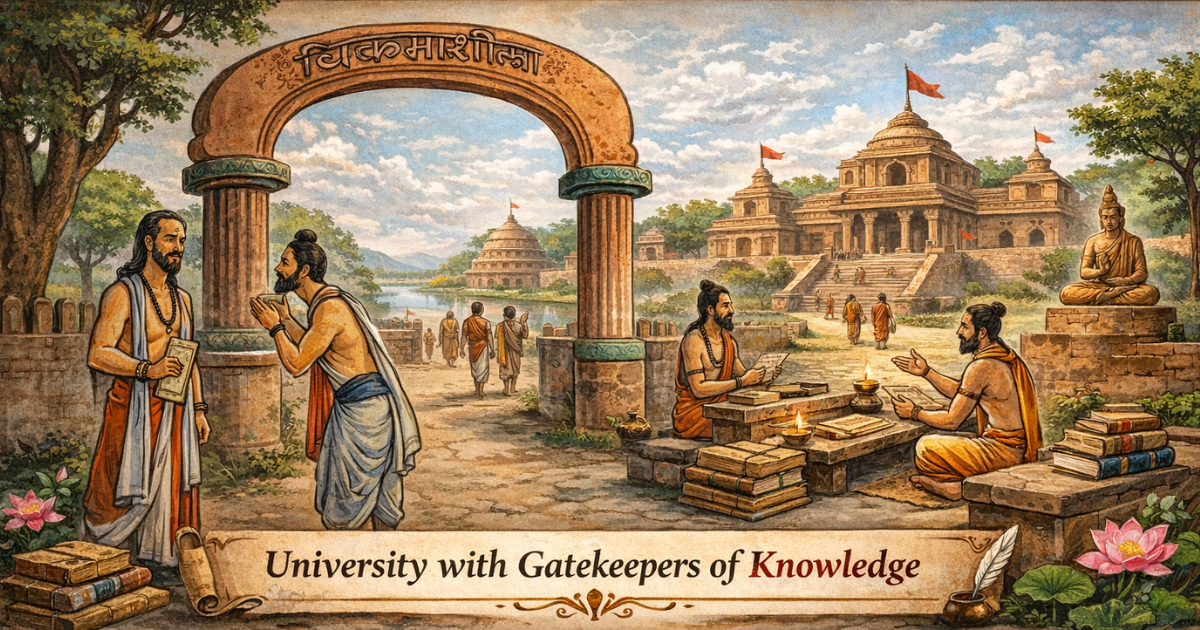
Introduction : Goonsheela University existed during the ancient Magadha period, around 6th–5th century BCE, when education in India was primarily conducted through Gurukul and Vidyapeeth systems. This was the same intellectual era that produced great centres of learning and encouraged both men and women to participate in academic and administrative life.
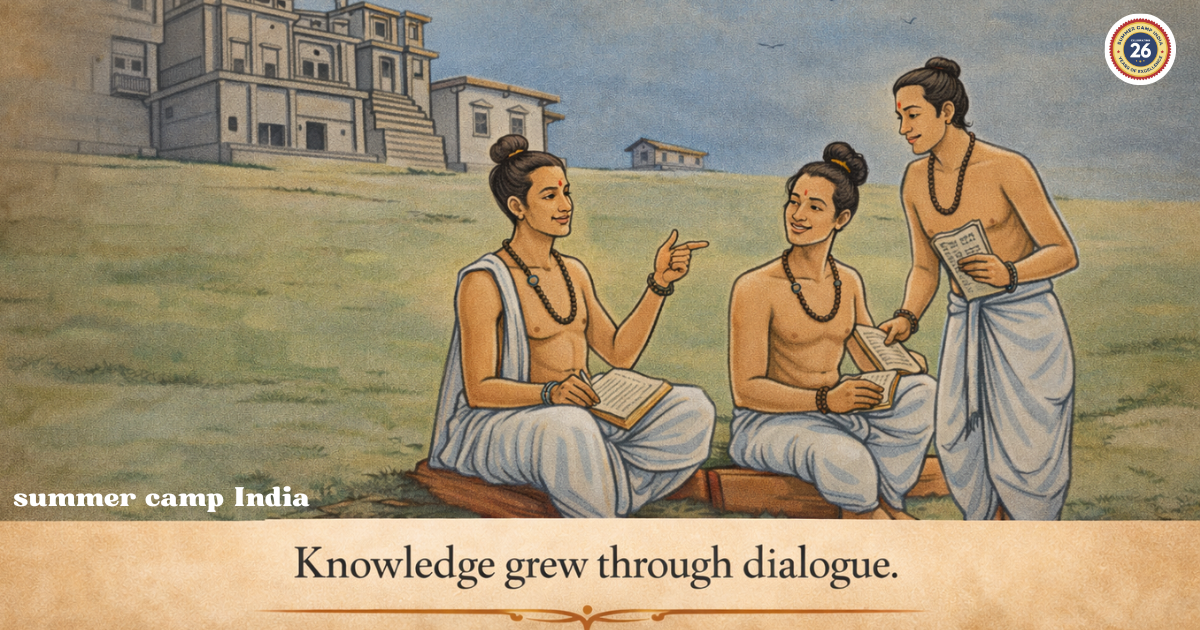
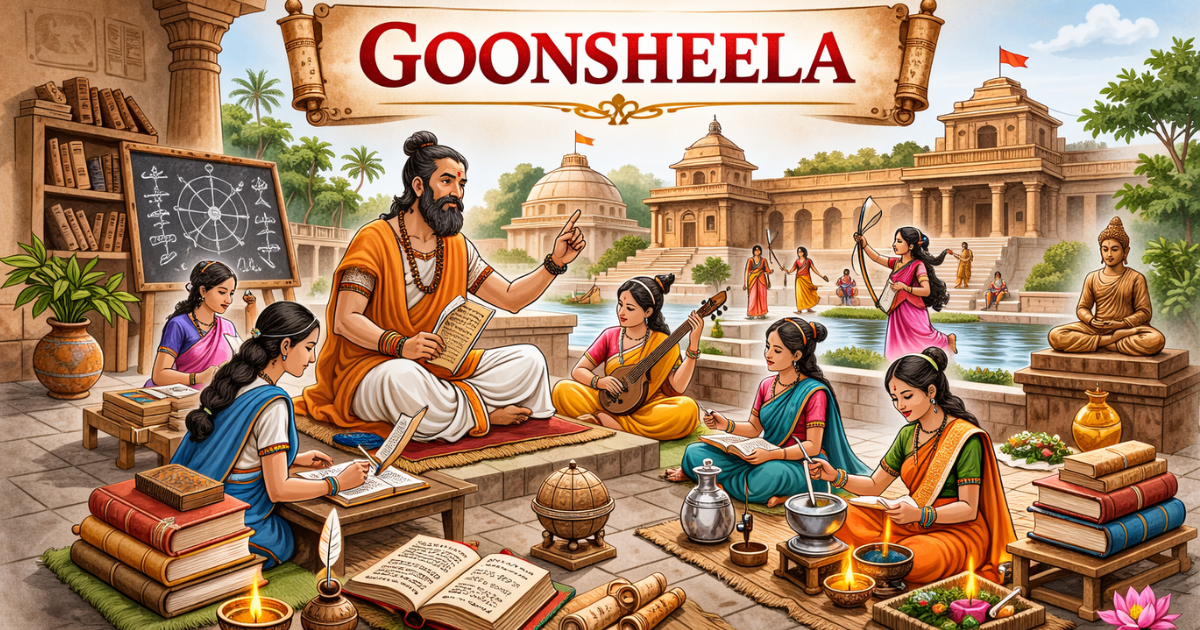
Goonsheela University was one of the rare ancient institutions where both male and female students studied together without gender discrimination. At a time when education was limited to a few sections of society, this university opened learning opportunities to everyone.
According to historical accounts, the son of King Bimbisara़ founded this Vidyapeeth to make education accessible to the larger public. His own son, Meha, studied here for twelve years and mastered knowledge in 72 subjects.
The institution functioned as a public university, aiming to spread knowledge and practical skills across society rather than restricting education to elites.
Practical Learning & Women Empowerment
Goonsheela was famous for its practical training system. Students were not only taught theory but also real-life applications such as warfare techniques and administrative knowledge.
A remarkable feature of the university was its focus on women’s education:
-
Girls were trained in 64 skills related to arts and sciences
-
Women graduates were appointed as royal representatives in different provinces
-
Female scholars actively participated in governance and intellectual discussions
This shows that ancient Indian education encouraged leadership roles for women, far ahead of its time.
Subjects & Courses Offered
The university offered a wide variety of interdisciplinary courses:
-
Music
-
Culinary Arts
-
Metallurgy
-
Acting & Performing Arts
-
Literature
-
Grammar & Linguistics
-
Poetry
-
Architecture
-
Warfare & Administration
Renowned Teachers & Students
Many respected women scholars were associated with Goonsheela, including:
Sujata, Anupama, Vijayanka, Prabhudevi, Nanda, Dhammadinna, and Khema
These scholars contributed to intellectual debates, teaching, and governance, highlighting the importance of women in ancient academic traditions.
Legacy
Goonsheela University stands as an inspiring example of an inclusive and skill-based education system in ancient India. It promoted:
-
Equality in education
-
Practical knowledge
-
Women leadership
-
Public access to learning
Its model reflects a progressive educational philosophy that modern institutions still strive to achieve.
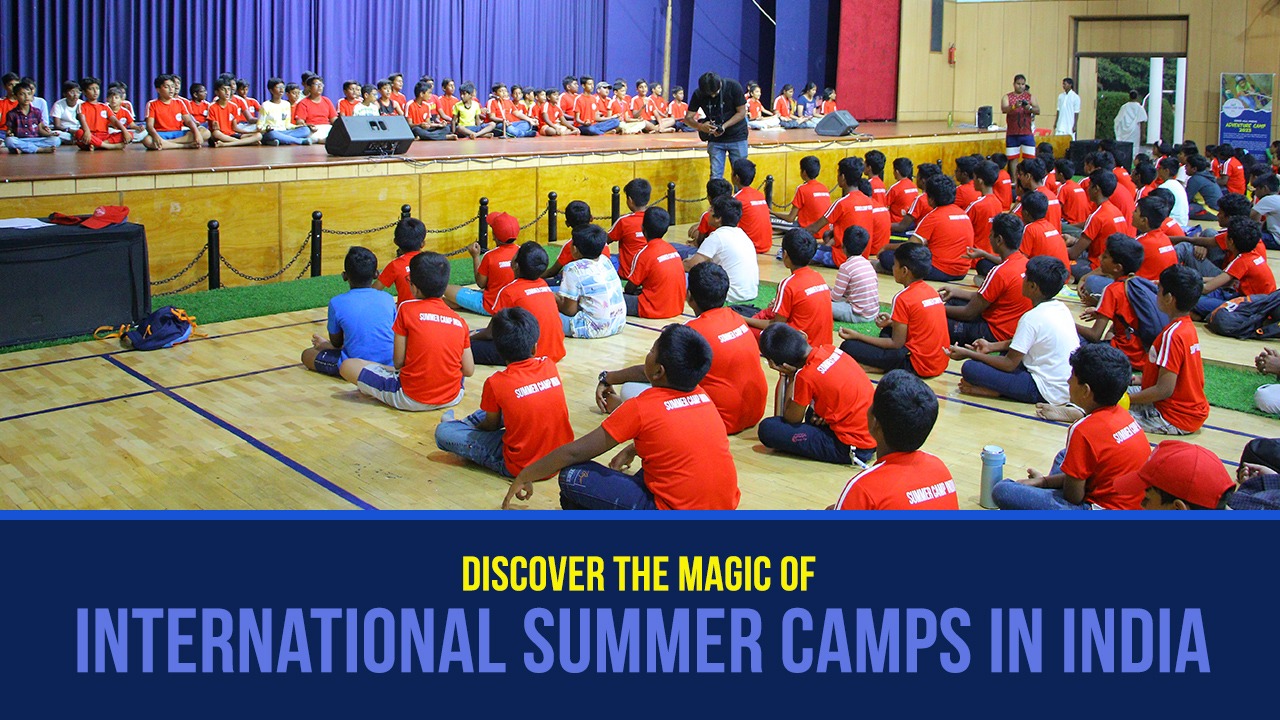
At Summer Camp India, we believe learning should be exciting, practical, and meaningful — just like the ancient Indian universities where students explored knowledge through discussion, creativity, and real-life experience.
Would you like the Article?
Share this Article to Social Media
Recent Blogs